%2Ffit-in%2F250x250%2Fguide_websites%2F15010%2Fimages%2F1740398957558img_0814.jpg&w=1920&q=100)
/users/49bc7484-f4ac-4965-a09a-06f3dece1b0c/ratecard/2c0279bf-790a-4eaf-932a-a0481e5a8826.jpeg)
%2F300x300%2Fusers%2F49bc7484-f4ac-4965-a09a-06f3dece1b0c%2Fratecard%2F2c0279bf-790a-4eaf-932a-a0481e5a8826.jpeg&w=256&q=75)
%2F300x300%2Fusers%2F49bc7484-f4ac-4965-a09a-06f3dece1b0c%2Fimages%2Fsheepshead-catch-vero-beach-2753.jpeg&w=256&q=75)
%2F300x300%2Fusers%2F49bc7484-f4ac-4965-a09a-06f3dece1b0c%2Fimages%2Fsheepshead-fishing-florida-2783.jpeg&w=256&q=75)
%2F300x300%2Fusers%2F49bc7484-f4ac-4965-a09a-06f3dece1b0c%2Fimages%2Fblack-drum-fish-fl-caught-2665.jpeg&w=256&q=75)
%2F300x300%2Fusers%2F49bc7484-f4ac-4965-a09a-06f3dece1b0c%2Fimages%2Fsheepshead-fishing-florida-2767.jpeg&w=256&q=75)
%2F300x300%2Fusers%2F49bc7484-f4ac-4965-a09a-06f3dece1b0c%2Fimages%2Fanglers-fishing-florida-2639.jpeg&w=256&q=75)
%2F300x300%2Fusers%2F49bc7484-f4ac-4965-a09a-06f3dece1b0c%2Fimages%2Fvero-beach-grey-snapper-catch-2707.jpeg&w=256&q=75)
%2F300x300%2Fusers%2F49bc7484-f4ac-4965-a09a-06f3dece1b0c%2Fimages%2Ffishing-vero-beach-2665.jpeg&w=256&q=75)
%2F300x300%2Fusers%2F49bc7484-f4ac-4965-a09a-06f3dece1b0c%2Fimages%2Fgrey-snapper-fishing-fl-2725.jpeg&w=256&q=75)
%2F300x300%2Fusers%2F49bc7484-f4ac-4965-a09a-06f3dece1b0c%2Fimages%2Fflorida-fishing-adventure-2620.jpeg&w=256&q=75)
%2F300x300%2Fusers%2F49bc7484-f4ac-4965-a09a-06f3dece1b0c%2Fimages%2Ffishing-vero-beach-2729.jpeg&w=256&q=75)
Top-Rated Vero Beach Inshore Fishing Charters

 Vero Beach
What you will be catching:
 Snook
Snook Sheepshead
 Sea Trout
 Redfish
 Grey Snapper
- Half-day inshore charter for two anglers with Captain Tim Wake
- Target Snook, Redfish, Seatrout, and various surprise species year-round
- All equipment and fishing licenses provided in Indian River waters
Trip Pricing and Availabilities:
Vero Beach Inshore Fishing with Captain Tim
The Indian River Lagoon around Vero Beach is hands down one of Florida's best-kept secrets for inshore fishing. When you step aboard with Captain Tim Wake, you're not just getting a fishing trip—you're getting a masterclass in one of the most diverse fisheries on the East Coast. With species like Snook, Redfish, and Spotted Seatrout calling these waters home year-round, plus seasonal visitors like Pompano and Jack Crevalle, every cast brings the possibility of something special. Captain Tim provides all your gear and covers your fishing license, so all you need to bring is your sense of adventure and maybe a cooler for your catch.
What to Expect on the Water
This half-day charter is perfect for couples, friends, or a parent-child duo looking to experience world-class inshore fishing without the commitment of a full day. Captain Tim's boat is rigged specifically for the shallow waters and grass flats of the Indian River system, where the action happens. You'll be sight-fishing in crystal-clear water one minute, then working structure around docks and mangroves the next. The beauty of Vero Beach fishing is the variety—no two trips are exactly alike because Captain Tim reads the conditions and adjusts the game plan accordingly. Whether the fish are feeding on top or hugging the bottom, he's got the local knowledge to put you on them. The intimate setting with just two guests means personalized attention and plenty of opportunities to learn the nuances of inshore fishing techniques.
Techniques & Tackle
Captain Tim runs a well-equipped boat that's designed for the unique challenges of Indian River fishing. You'll be using light tackle spinning gear that's perfectly matched to the species you're targeting—sensitive enough to feel the subtle bite of a Sheepshead, but with enough backbone to handle a bull Redfish in the shallows. The techniques vary based on what's biting, but expect to throw live bait around structure, work soft plastics through the grass flats, and maybe even get some topwater action during the right conditions. Captain Tim knows when to anchor up and wait for the fish to come to you, and when to stay mobile and cover water. His local expertise shines when it comes to reading the tides, understanding seasonal patterns, and knowing exactly which spots produce during different times of the year. All tackle, bait, and licenses are included, so you can focus on the fun part—catching fish.
What Anglers Are Saying
"Tim is very knowledgeable about the Indian River Lagoon and the species that live there. Boat is well outfitted" - Russ
"Our grandsons and us had a great time fishing with Captain Tim. He made sure we all caught a fish. Captain Tim was very knowledgeable of the area having grown up on these waterways. Our grandsons said, the fishing trip was the best part of their Spring break!" - Steve
Species You'll Want to Hook
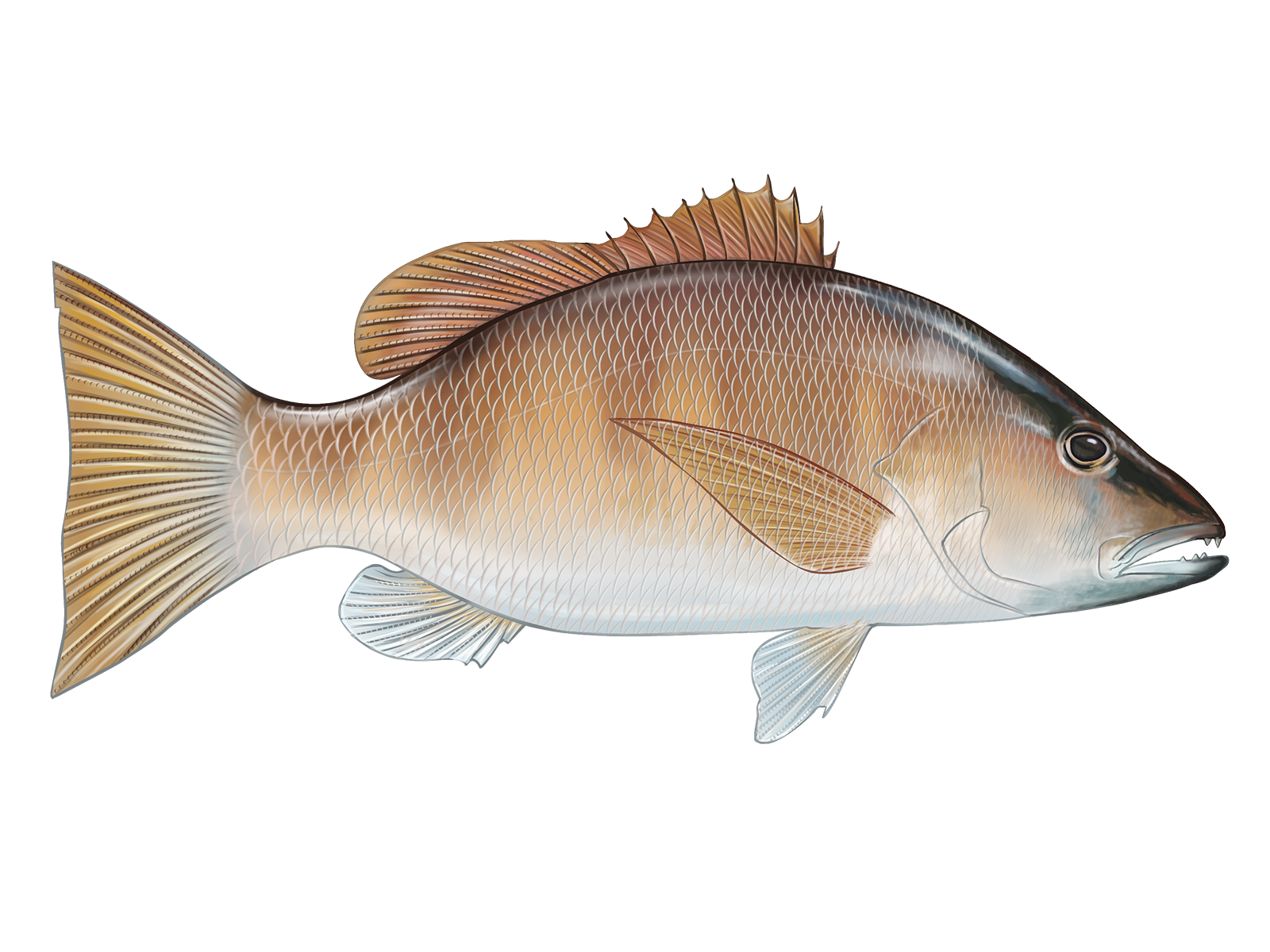
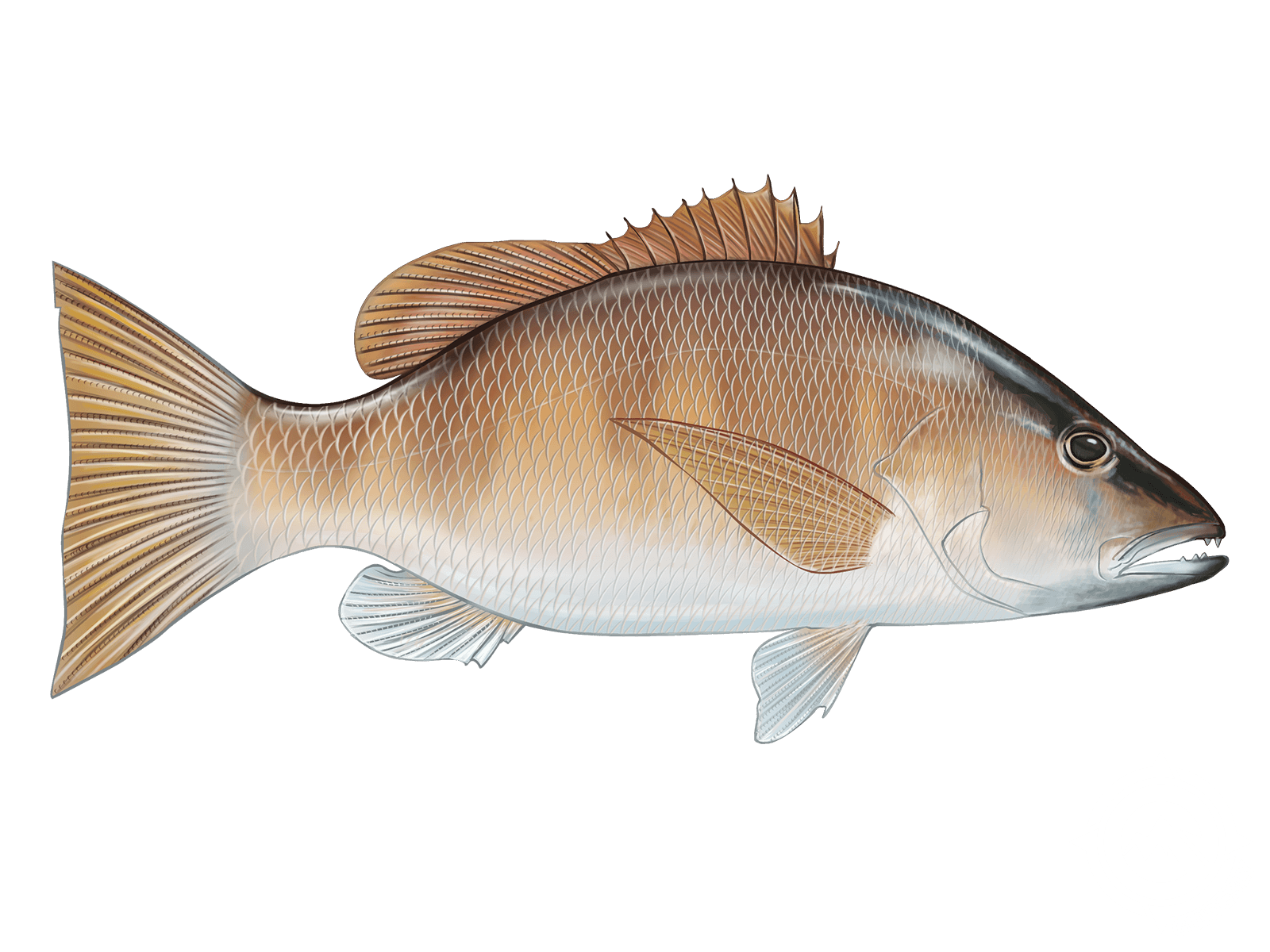
Grey Snapper are one of the most reliable fighters you'll encounter in Vero Beach waters. These smart fish hang around structure like docks, bridges, and rocky areas, and they're notorious for their quick strikes and determined runs. They're active year-round but really turn on during the warmer months. What makes them special is their willingness to eat both live and artificial baits, and once hooked, they put up a scrappy fight that's way bigger than their size suggests. Most fish run 12-16 inches, perfect for the dinner table.
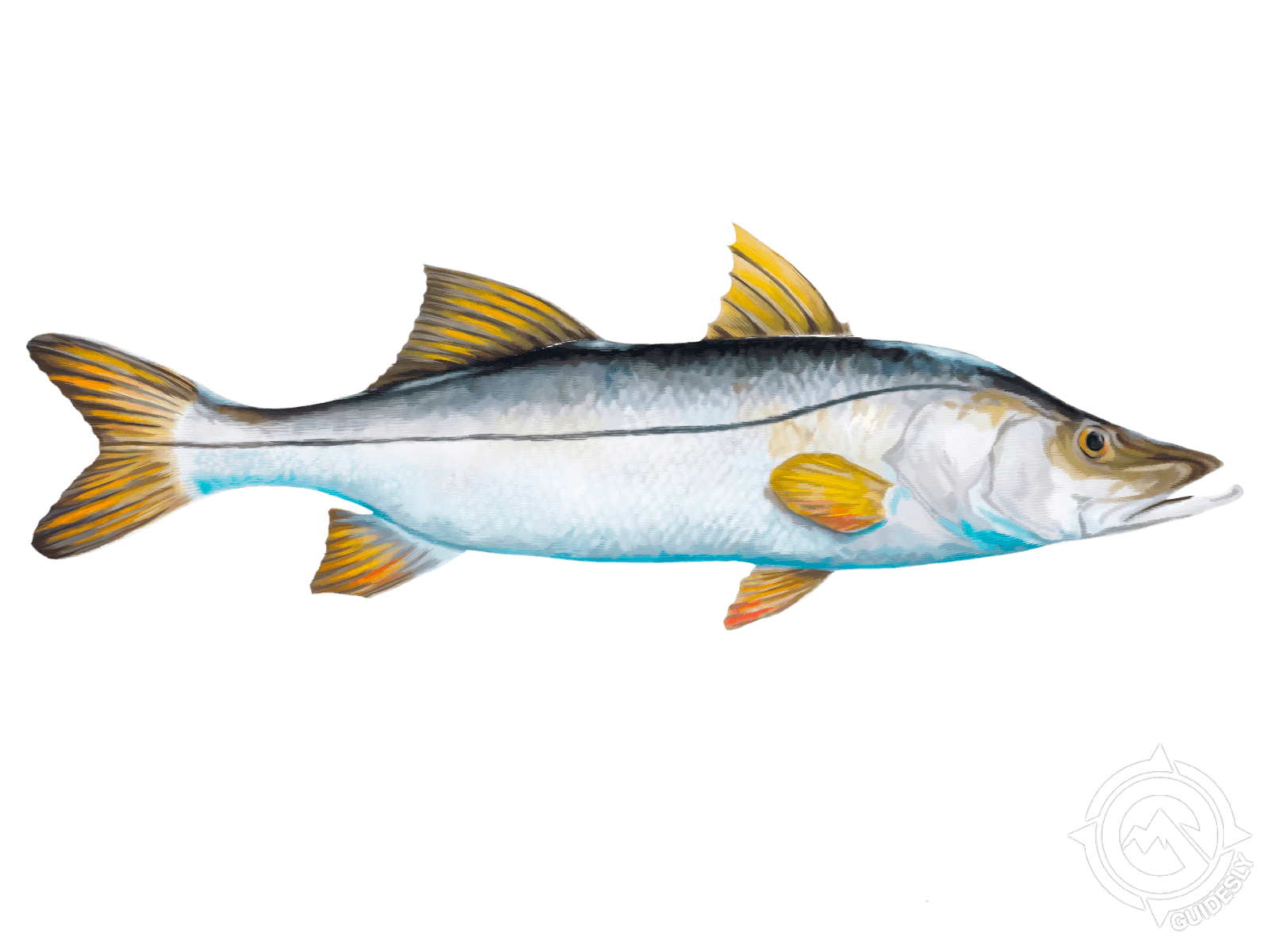
Snook are the crown jewel of Florida inshore fishing, and the Indian River system around Vero Beach holds some beautiful fish. These ambush predators love to hang around mangroves, docks, and bridge pilings, waiting to smash baitfish. They're most active during spring and fall, but you can catch them year-round if you know where to look. What makes Snook special is their explosive strike and their tendency to jump when hooked. They're also one of the best eating fish in Florida waters, with firm white meat that's perfect on the grill.
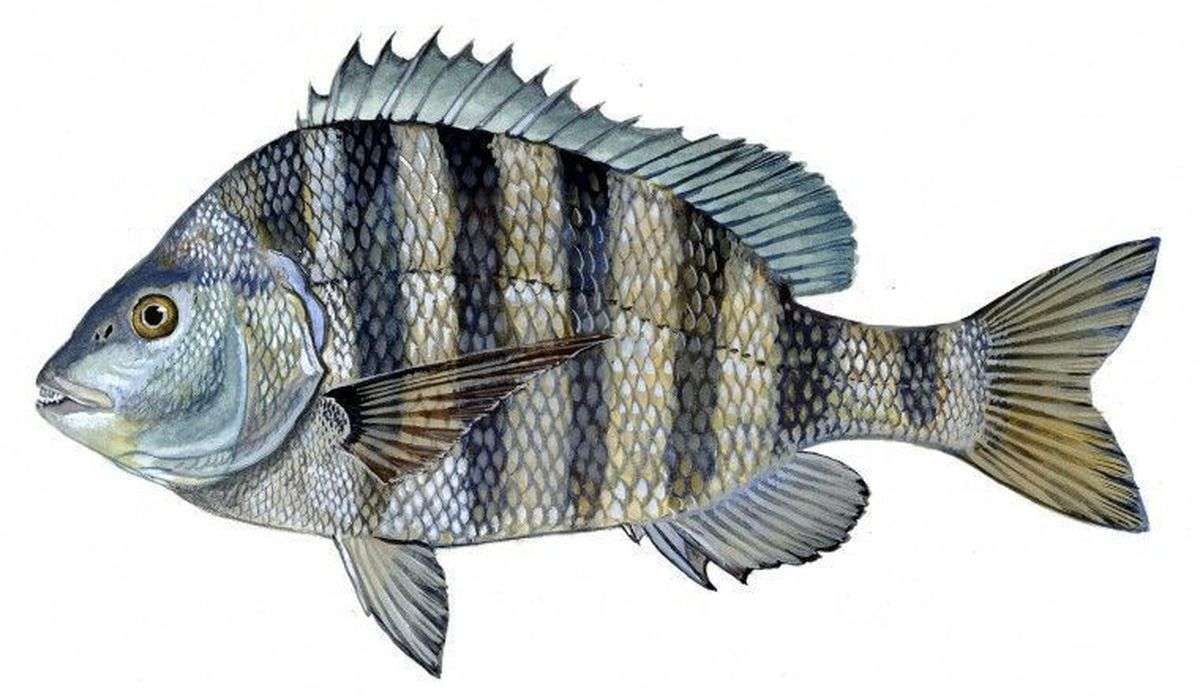
Sheepshead might not win any beauty contests, but they're one of the most challenging and rewarding fish to catch. These black-and-white striped fish have human-like teeth and feed on barnacles, crabs, and oysters around structure. They're notorious bait thieves with incredibly light bites, so catching them requires finesse and patience. Winter months are prime time for Sheepshead, when they school up around bridges and docks. Once you master the technique, these fish provide consistent action and excellent table fare.
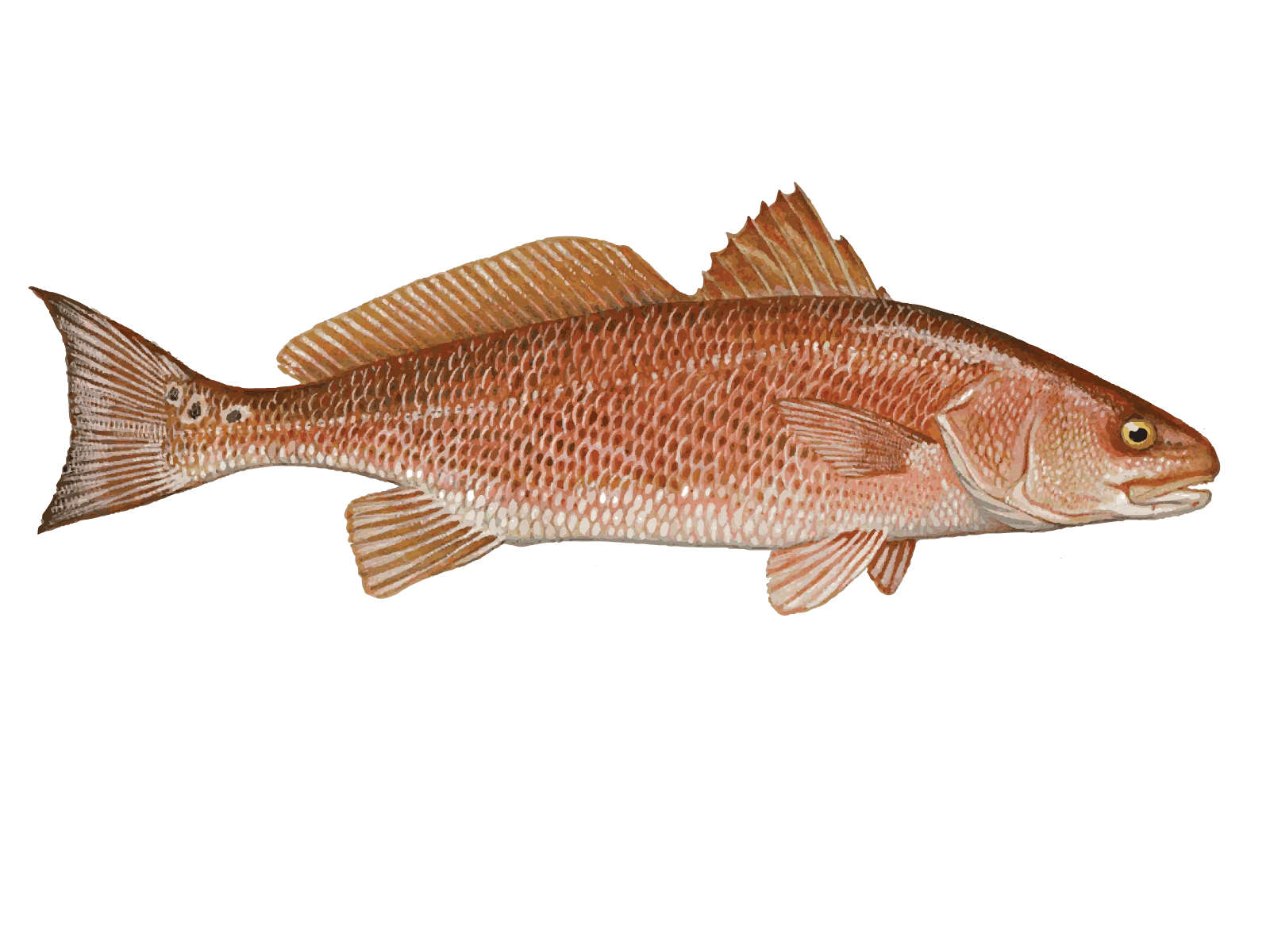
Redfish are Florida's signature inshore species, and Vero Beach waters hold some fantastic fish. These copper-colored bruisers love shallow grass flats and oyster bars, where they root around for crabs and baitfish. What makes Redfish special is their size range—you might catch a fun-sized "rat red" or hook into a 30-inch bull that'll test your tackle and your patience. They're incredibly photogenic with their distinctive spot patterns, and they're available year-round. The best part? They're relatively easy to catch once you locate them, making them perfect for anglers of all skill levels.
Sea Trout, or Spotted Seatrout as they're properly known, are the bread-and-butter species of the Indian River. These beautiful fish with distinctive spots love grass flats and sandy areas where they hunt for shrimp and small baitfish. They're most active during spring and fall but can be caught year-round in the right conditions. What guests love about Sea Trout is their willingness to bite artificial lures, especially soft plastics and topwater plugs. They're also cooperative fish that often school up, so where you catch one, you'll usually find more. Their delicate mouths require gentle handling, but they're excellent eating and beautiful to photograph.
Time to Book
Customer Reviews
Expert Guide Great Gear

Russ Korte
April 25, 2025
Best Spring Break Trip
Our grandsons and us had a great time fishing with Captain Tim. He made sure we all caught a fish. Captain Tim was very knowledgeable of the area having grown up on these waterways. Our grandsons said, the fishing trip was the best part of their Spring break!
Steve Wipert
March 28, 2025
Learn more about the animals
Snook
Snook are the crown jewel of inshore fishing here in Vero Beach. These sleek fish with the distinctive black lateral line typically run 18-28 inches, but the bigger females can push 40+ inches and really test your drag. They're ambush predators that hang around mangroves, docks, and creek mouths in 2-6 feet of water. Best fishing is dawn and dusk, especially during warmer months when they're most active. What makes them special is their explosive strikes and bulldogging fights - they'll jump, run, and use every trick to throw your hook. The meat is outstanding too, though many folks release the big breeders. Pro tip: cast live pilchards or DOA shrimp tight to structure and be ready - when a snook hits, it's game on immediately.
Sheepshead
Sheepshead are the convict fish of Vero Beach with their black and white stripes and human-like teeth. These 2-5 pound structure lovers hang around docks, bridges, and barnacle-covered pilings year-round, with peak action in cooler months when they school up. What makes them fun is they're notorious bait thieves - you'll feel them pecking at your fiddler crab or shrimp, trying to steal it clean off the hook. They fight harder than their size suggests and make excellent table fare with sweet, white meat. The trick is getting close to structure without spooking them and using a sharp hook with fresh bait. My secret: once you feel that telltale pecking, count to three then set the hook hard - their bony mouths need aggressive hooksets to penetrate.
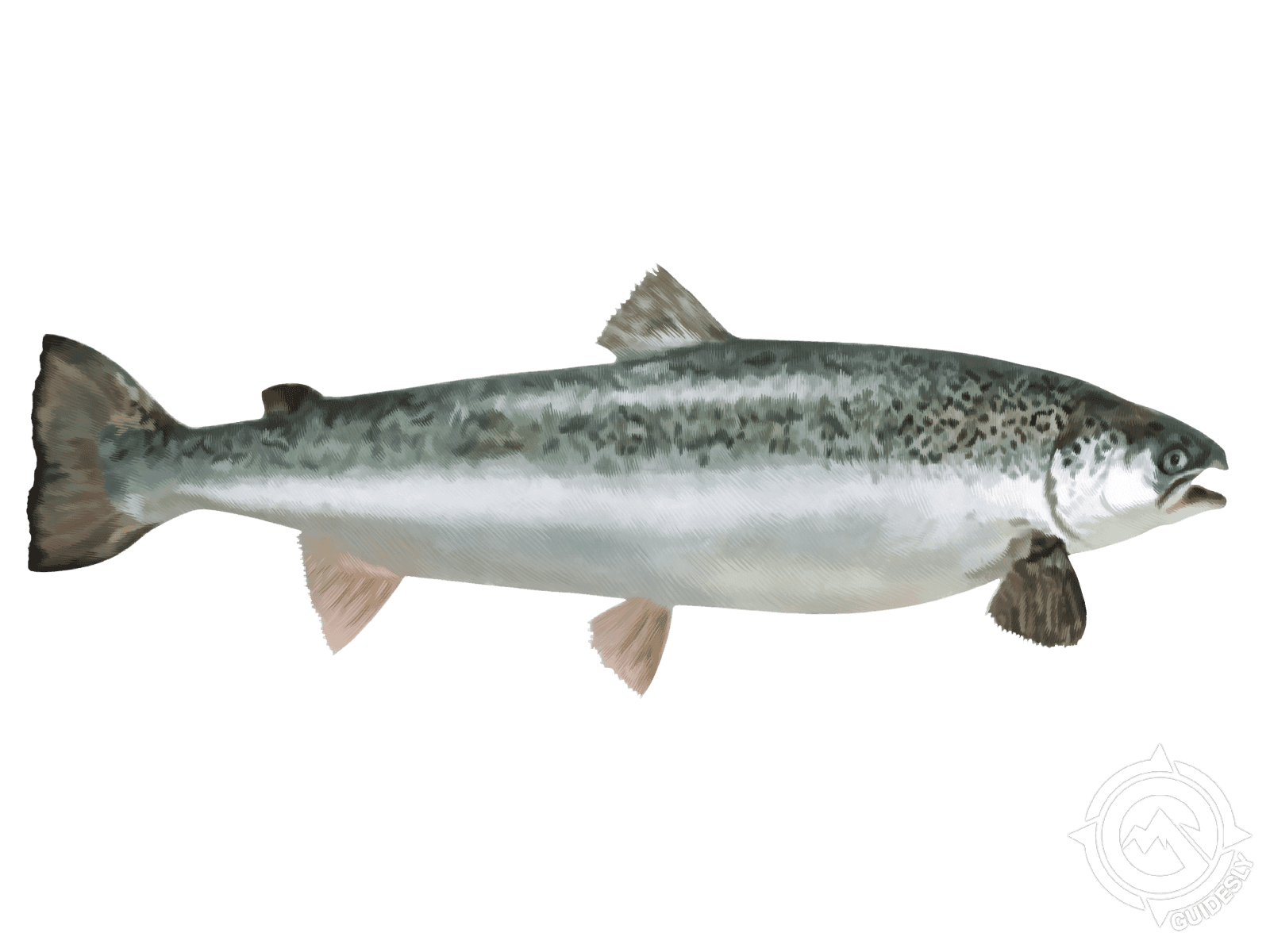
Sea Trout
Spotted Seatrout are the bread and butter of Vero Beach grass flats fishing. These speckled beauties typically run 14-20 inches with the occasional "gator trout" pushing 24+ inches. They love grass flats, sandy holes, and channel edges in 3-8 feet of water, feeding most actively at dawn, dusk, and under lights at night. Spring through fall offers the most consistent action, though they're catchable year-round. Guests enjoy their willingness to bite artificials and their delicate, sweet meat that's perfect for the dinner table. They're not the hardest fighters but make up for it in numbers and eating quality. The key is finding the right depth - they suspend at different levels depending on conditions. Soft plastics under popping corks work magic, especially in chartreuse or pink.
Redfish
Redfish are pure gold on the flats around Vero Beach. These copper-colored bruisers with the signature black spot near their tail cruise grass flats and oyster bars in 1-4 feet of water. Most inshore fish run 20-30 inches, but the bigger bulls can top 40 inches and 30 pounds. They're year-round residents, but fall and winter offer some of the best action when they school up. What guests love is the visual fishing - watching their backs and tails in skinny water before making the cast. They hit topwater plugs with authority and fight like freight trains, making long runs and using their broad shoulders. The smaller "slot" fish are fantastic eating. My go-to strategy: look for nervous water on the flats and cast a gold spoon or topwater plug ahead of their path, then hold on tight.
Grey Snapper
Also known as Mangrove Snapper, these copper-red fish are opportunistic feeders that love structure. You'll find them around docks, bridges, and reefs in 10-30 feet of water. Most run 1-3 pounds inshore, but they're scrappy fighters with excellent table fare - white, flaky meat that's hard to beat. They're active year-round here in Vero Beach, but cooler months often produce better numbers. These fish are notorious bait thieves with their small mouths, so use a 4/0 circle hook with live shrimp through the tail. My tip: let your bait sink to bottom near structure, then bring it up just a foot or two. Don't jerk when you feel that subtle tap - they need time to get the hook in their mouth properly.

Tim is very knowledgeable about the Indian River Lagoon and the species that live there. Boat is well outfitted